
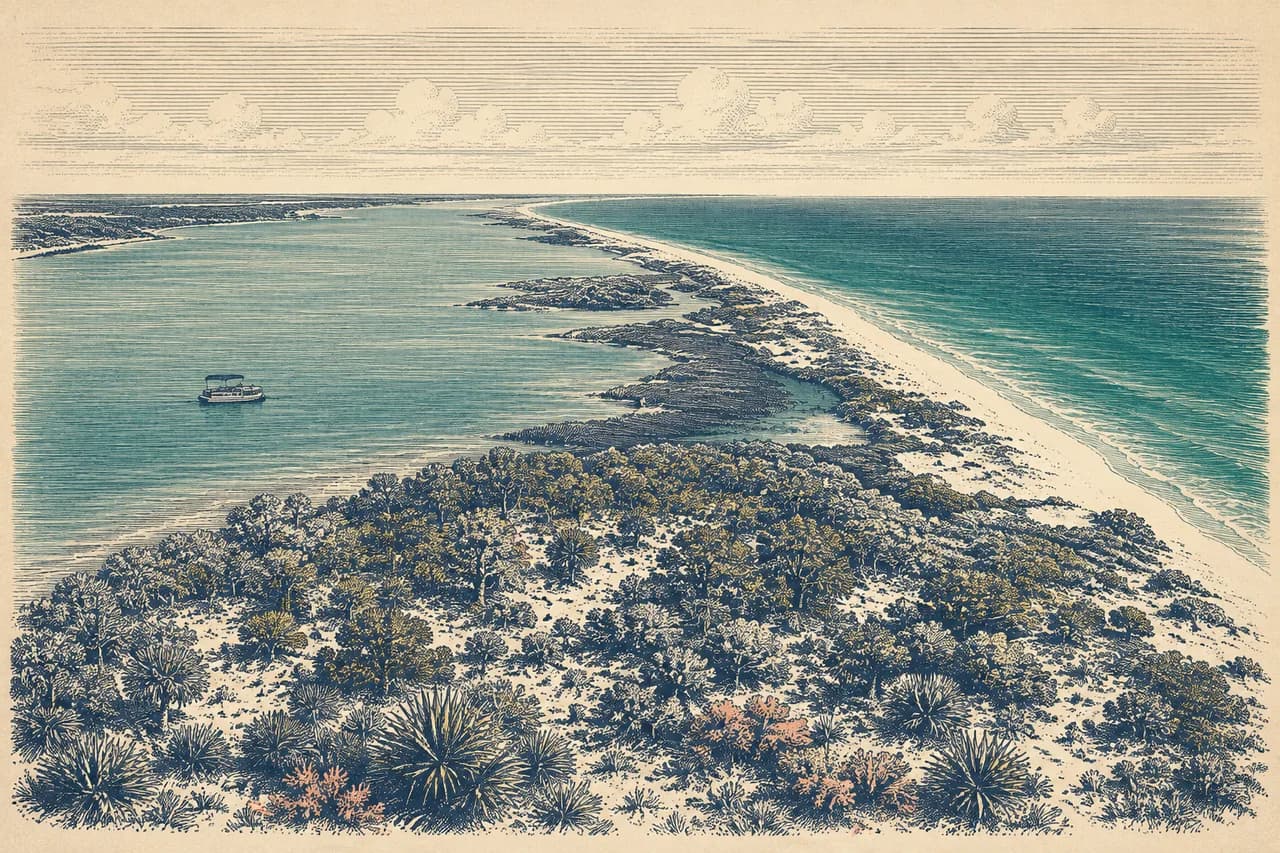
Panama City Beach map and travel notes beside a view of the Gulf.
Back to Guides

Area guides

Shell Island Panama City Beach Guide

A practical visitor Guide to Shell Island near Panama City Beach, including how to get there, who it is best for, what to bring, how to plan around weather, and why it takes more preparation than a normal beach day.

Quick answer

Shell Island is usually worth visiting if you want a more natural, boat-access beach day near Panama City Beach, but it is not the same as driving to a public beach access. The island is undeveloped, so there are no normal beach services waiting for you: no restrooms, concessions, picnic pavilions, or trash cans on-site. It is best for visitors who are comfortable planning transportation, bringing supplies, watching weather and Gulf conditions, and staying flexible. If your group needs bathrooms, food, shade, easy exits, or a guaranteed low-effort beach day, St. Andrews State Park or a regular PCB beach access may be a better fit.

Read time
16 min read

Best for and less ideal for

Best for

  • Visitors who want a natural, less commercial beach day
  • Couples who want scenery, quiet, shell hunting, and a boat-based outing
  • Families with older kids who can handle boat logistics and fewer services
  • Groups interested in dolphins, snorkeling, beachcombing, kayaking, or pontoon trips
  • Visitors staying near Thomas Drive or Grand Lagoon who want a water-focused day
  • Repeat PCB visitors who want something different from a standard beach access
  • Travelers who are willing to bring supplies and adjust around weather

Less ideal for

  • Visitors who need drive-up beach access
  • Families with toddlers who need easy bathrooms, food, shade, and quick exits
  • Groups that dislike boat rides, shuttle schedules, or return-time planning
  • Visitors trying to make a last-minute plan without checking conditions
  • People who expect restaurants, shops, lifeguards, or rental stands on the island
  • Travelers who do not want to pack out trash or manage supplies
  • Groups that want a guaranteed swim or snorkel day regardless of beach flags and weather

Before you go

What to know before you go

Access
Boat, shuttle, tour, rental, jet ski, or private vessel; not drive-up beach access
Best fit
Natural beach day, shell hunting, dolphins, snorkeling when conditions allow, and boat-based plans
Main tradeoff
Beautiful and undeveloped, but fewer services and more planning
Services
No normal restrooms, concessions, picnic pavilions, or trash cans on-site
Supplies
Bring water, snacks, sun protection, towels, bags for trash, and anything your group needs
Weather impact
High. Wind, storms, surf, visibility, and water conditions can change the plan quickly
Family fit
Better for prepared families and older kids than for groups needing easy exits
Verify before going
Transportation, return times, weather, beach flags, marine conditions, supplies, and operator policies

Planning paths

Suggested ways to plan it

01

Simple shuttle beach day

Use a Shell Island shuttle or similar transportation option, bring supplies, and treat the island as a natural beach stop with a set return plan. This is usually the easiest version for first-time visitors who want to experience Shell Island without renting and navigating a boat themselves.

02

Guided tour or dolphin trip

Choose a guided boat, dolphin, eco-tour, or sightseeing trip if your group wants more structure and less responsibility. This works well for families, couples, and visitors who want Shell Island as part of a broader water outing instead of managing the whole day independently.

03

Pontoon or private boat day

Rent a pontoon or use a private vessel only if your group is comfortable with boating rules, navigation, weather, anchoring, supplies, safety, and return timing. This can be a great day for the right group, but it is not the lowest-effort way to visit.

04

St. Andrews plus Shell Island plan

Use St. Andrews State Park as the easier anchor and add Shell Island only if transportation, weather, and your group’s energy make sense. This is a good backup-friendly plan because St. Andrews can still work even if Shell Island logistics do not.

Section 01

What Shell Island is

Shell Island is a long, undeveloped barrier island near Panama City Beach, between the Gulf of Mexico and St. Andrew Bay.

It is one of the more natural beach experiences visitors can reach from PCB. That is the appeal. Instead of shops, condos, beach bars, and easy parking, Shell Island gives you white sand, dunes, water, wildlife, shells, and a more remote feeling.

But “undeveloped” is not just a pretty word. It changes how you plan the day. You cannot treat Shell Island like Pier Park, St. Andrews State Park, or a normal public beach access. You need transportation, supplies, timing, weather awareness, and a plan for getting back.

The island is usually best for visitors who understand that the extra effort is part of the experience.

Section 02

Where Shell Island is

Shell Island sits just off the east end of Panama City Beach near St. Andrews State Park, St. Andrew Bay, and the Grand Lagoon side of town.

For most visitors, the practical access point is the Thomas Drive and Grand Lagoon area. That is where many boat tours, dolphin tours, pontoon rentals, shuttles, marinas, and water-based operators are located.

This makes Shell Island a natural fit if you are already spending time around Thomas Drive and Grand Lagoon, St. Andrews State Park, fishing charters, seafood restaurants, or boat tours.

If you are staying on the West End or near Pier Park, Shell Island can still be worth doing, but plan for drive time before and after the boat portion of the day.

Section 03

Can you drive to Shell Island?

No. Shell Island is not a drive-up beach.

Visitors generally reach it by shuttle, tour boat, pontoon rental, jet ski tour, private boat, or another water-based option. That is one of the biggest differences between Shell Island and most Panama City Beach beach days.

If someone in your group expects to park next to the sand, use a restroom nearby, grab lunch, and leave whenever they feel like it, Shell Island may not be the right beach plan.

If your group likes the idea of getting there by water and treating the day as a small adventure, Shell Island can be a strong fit.

Section 04

How to get to Shell Island

The main ways visitors get to Shell Island are:

Verify: Shuttle or ferry-style transportation; Guided boat tours; Dolphin tours; Pontoon rentals; Jet ski tours; Private boats; Captained charters.

Each option changes the day.

A shuttle is usually simpler. A guided tour gives structure. A dolphin tour may include Shell Island as part of the experience. A pontoon rental gives more control, but also more responsibility. A private boat may be flexible, but only if your group knows what it is doing.

Before choosing, compare the actual details: departure point, parking, price, return time, what you can bring, restroom access before departure, what happens if weather changes, and whether the trip fits the youngest or least flexible person in your group.

Use Tours & Charters when comparing boat-based options around PCB.

Section 05

What makes Shell Island different from a normal beach

Shell Island is more natural, but less convenient.

That is the whole tradeoff.

A normal beach access may give you nearby parking, restaurants, restrooms, rentals, showers, and a quick exit. Shell Island gives you scenery, open sand, wildlife, shells, and clearer separation from the commercial side of PCB.

This is why some visitors love it and others feel underprepared.

If you arrive with water, food, sun protection, towels, shade, trash bags, and a realistic return plan, Shell Island can feel like a highlight of the trip. If you arrive hungry, sunburned, underpacked, or unsure when the boat returns, it can feel stressful fast.

Section 06

Are there bathrooms on Shell Island?

No, visitors should plan as if there are no bathrooms on Shell Island.

That one fact should shape the whole plan, especially for families. Use the restroom before boarding transportation, keep the trip length realistic, and be honest about whether your group can handle being away from normal facilities.

For many adults and older kids, this is manageable. For toddlers, young children, pregnant visitors, older adults, or anyone with medical needs, it may be a bigger issue.

Do not ignore this detail. It is one of the main reasons Shell Island is not the right fit for every group.

Section 07

What to bring to Shell Island

Bring more than you would bring to a normal beach access.

At minimum, most visitors should consider:

Verify: Water; Snacks or lunch; Sunscreen; Towels; Hat or sunglasses; Shade if allowed by your transportation option; Trash bags; Phone protection; Beach shoes or sandals; Small first-aid basics; Shell bag or small container; Snorkel gear if conditions are right; Motion sickness supplies if needed; Any medication or kid supplies your group may need; A clear return-time plan.

The simple rule is this: if you need it, bring it. If you bring it, take it back.

Shell Island does not have trash cans waiting for you.

Section 08

Food and drinks on Shell Island

Do not plan on buying food or drinks on Shell Island.

Bring your own water and food, and confirm what your transportation option allows. Some shuttles, tours, or rentals may have specific rules for coolers, glass, alcohol, chairs, umbrellas, or large gear.

Water matters most. The island can feel hotter and more exposed than visitors expect, especially in summer.

If you want a restaurant-heavy day, Shell Island may not be the best main plan. Do Shell Island first, then come back to the Grand Lagoon or Thomas Drive area for seafood, casual dinner, or a sunset drink.

Use Food & Drink when planning the post-island meal.

Section 09

Beachcombing and shell hunting

Shell Island is a strong fit for visitors who enjoy walking, beachcombing, and looking for shells.

That said, do not expect every step to be covered in perfect shells. Conditions change with weather, tides, storms, crowds, and season. Some days are better than others.

The best shelling mindset is casual. Walk slowly, look near the wrack line, keep an eye out after weather changes, and treat it as part of the experience rather than a guaranteed treasure hunt.

Leave living creatures alone. If something is occupied, moving, or clearly part of the living shoreline, do not collect it.

Section 10

Snorkeling at Shell Island

Snorkeling can be part of a Shell Island day when conditions are right.

The key phrase is “when conditions are right.” Visibility, wind, surf, currents, storms, flags, and boat traffic can all affect whether snorkeling is safe or enjoyable.

If snorkeling is your main goal, check conditions close to your trip and ask your operator what to expect. Bring or rent appropriate gear, stay within your group’s comfort level, and do not enter the water if conditions are unsafe.

For families, it is better to treat snorkeling as a bonus. Shell Island can still be worth visiting for sand, scenery, shells, and wildlife even if snorkeling is not ideal that day.

Section 11

Dolphins and wildlife

Many visitors hope to see dolphins around Shell Island, and dolphin tours are a common way to experience the area.

Wildlife sightings are never guaranteed, but the waters around Shell Island and St. Andrew Bay are a major reason visitors choose this kind of trip. You may also see shorebirds, ghost crabs, fish, and other coastal wildlife.

The right approach is respectful distance. Do not chase, feed, touch, crowd, or disturb wildlife. Follow operator guidance if you are on a tour.

For kids, wildlife can make the day feel special even if the plan is simple. A few dolphins from the boat or crabs on the sand may be more memorable than a packed attraction schedule.

Section 12

Shell Island with kids

Shell Island can be good for families, but it depends heavily on the kids.

It is usually a stronger fit for elementary-age kids, teens, and families that can handle boat transportation, sun exposure, limited facilities, and a set return time.

It may be less ideal for toddlers, kids who need frequent bathrooms, families with lots of gear, or groups that need quick exits.

A good family Shell Island plan is short, simple, and prepared. Bring water, snacks, shade, sunscreen, towels, and something easy for kids to do on the sand. Do not promise snorkeling, dolphins, shell hunting, and a full-day beach marathon all at once.

Use Things To Do With Kids in Panama City Beach if you are building a larger family itinerary.

Section 13

Shell Island for couples and adults

Shell Island can be a strong couple or adult-group plan because it feels different from the main PCB beach strip.

For couples, it can work as a scenic boat day, beach walk, shelling outing, snorkeling attempt, or quiet escape from the busier parts of town.

For adults and friend groups, a pontoon or guided boat day can be memorable, but planning matters. Know who is responsible for navigation, weather decisions, gear, food, water, and return timing.

If alcohol is involved, be especially careful. Water, sun, boats, and alcohol can create risk quickly. Follow operator rules and choose a safe transportation plan.

Section 14

Shell Island vs. St. Andrews State Park

Shell Island and St. Andrews State Park are connected in many visitors’ minds, but they are not the same kind of day.

St. Andrews is easier. You can drive there, pay the park fee, park, use amenities, walk, swim when conditions are safe, picnic, fish, and leave when you are ready.

Shell Island is more adventurous. You need water-based transportation, supplies, and a return plan. You also have fewer services once you arrive.

Choose St. Andrews State Park if your group needs flexibility and amenities. Choose Shell Island if your group wants a more natural, boat-access experience and can handle the logistics.

If you are unsure, St. Andrews is usually the safer first choice.

Section 15

Shell Island vs. a dolphin tour

A Shell Island beach day and a dolphin tour can overlap, but they are not always the same thing.

A Shell Island-focused plan usually gives you more beach time. A dolphin tour may focus more on the boat ride, wildlife, sightseeing, and a shorter stop, depending on the operator.

If your group mainly wants to sit on the island, swim, shell, and relax, choose transportation that allows enough island time.

If your group mainly wants dolphins, narration, sightseeing, and a guided experience, a tour may be better.

Read the details carefully before booking. “Shell Island” can mean different things depending on the trip.

Section 16

Shell Island vs. pontoon rental

A pontoon rental gives you more control, but also more responsibility.

It can be a great fit for groups that want privacy, flexibility, and a boat-day experience. But someone must handle boating rules, navigation, anchoring, weather decisions, fuel, safety, timing, and the return.

A shuttle or tour is simpler. You give up some flexibility, but you also give up a lot of responsibility.

For first-time visitors, families, and groups unsure about boating, a shuttle or guided option may be the better starting point.

For experienced boaters or groups hiring a captain, a pontoon-style day can be a highlight.

Section 17

Best time to visit Shell Island

The best time to visit Shell Island depends on weather, season, transportation, and your group.

Morning can be better for heat, crowds, and calmer planning. Midday can work if your group has shade and supplies, but it can feel hot and exposed. Afternoon may work for shorter trips, but you need to pay attention to return times, storms, and operator schedules.

Summer may offer more transportation options, but also more heat, sun, crowds, and afternoon storms. Spring and fall can be excellent when conditions cooperate. Winter may be quieter, but schedules, water comfort, and weather may limit options.

Do not pick the time based only on what looks pretty online. Pick the time that matches conditions and logistics.

Section 18

Weather and beach flag planning

Weather can make or break a Shell Island day.

Wind, storms, surf, currents, water visibility, lightning, and marine conditions can all affect transportation and beach plans. A day that looks fine from your rental may still be a poor day for boating or snorkeling.

Before going, check current beach flag conditions, weather, marine conditions, and operator updates.

Double red flags mean the water is closed to the public. Red flags mean high hazard. Yellow means medium hazard. Green means low hazard, but caution still matters. Purple means dangerous marine life.

If conditions are not right, do something else. Shell Island is not worth forcing on a bad water day.

Section 19

What to avoid

Avoid treating Shell Island like a casual drive-up beach.

Avoid going without enough water.

Avoid assuming there are bathrooms, food, shade, or trash cans.

Avoid missing your return transportation.

Avoid entering unsafe water because you came all the way there.

Avoid touching or disturbing wildlife.

Avoid taking living shells or creatures.

Avoid leaving trash, food waste, broken gear, or beach items behind.

Avoid booking a boat plan without understanding the weather policy.

Avoid building the whole day around snorkeling or dolphins, because neither is guaranteed.

Section 20

What to verify before you go

Before building a Shell Island day, verify:

Verify: How you are getting there; Departure point; Parking; Return time; Cost; What you can bring; Cooler rules; Gear rules; Weather policy; Cancellation policy; Beach flags; Marine conditions; Whether snorkeling makes sense; Whether your group needs shade; Whether kids can handle the timing; Whether restrooms are available before departure; What supplies you need; What you must pack out.

Shell Island can be one of the most memorable parts of a Panama City Beach trip, but only when you plan it like an undeveloped island instead of a normal beach stop.

FAQ

Questions visitors usually ask

Is Shell Island worth visiting?

Yes, Shell Island is usually worth visiting if you want a natural, boat-access beach day near Panama City Beach and you are comfortable bringing supplies, checking weather, and planning transportation. It is less ideal if your group needs bathrooms, food, shade, and quick exits.

Can you drive to Shell Island?

No. Shell Island is not a drive-up beach. Visitors generally reach it by shuttle, tour boat, pontoon rental, jet ski tour, private boat, or another water-based option.

Are there bathrooms on Shell Island?

No. Visitors should plan as if there are no bathrooms on Shell Island. Use restrooms before departure and make sure your group can handle the trip length.

Is there food on Shell Island?

No. Do not plan on buying food or drinks on Shell Island. Bring your own water, snacks, and supplies, and confirm what your transportation option allows.

How do you get to Shell Island from Panama City Beach?

Most visitors get to Shell Island from the St. Andrews, Thomas Drive, or Grand Lagoon side of PCB by shuttle, guided tour, dolphin tour, pontoon rental, jet ski tour, or private boat. Options vary by season, operator, weather, and water conditions.

Is Shell Island good for kids?

Shell Island can be good for prepared families, especially with older kids who can handle boat transportation, sun, limited facilities, and a set return time. It may be less ideal for toddlers or families that need easy bathrooms, food, shade, and quick exits.

Can you swim at Shell Island?

Swimming can be part of a Shell Island day when conditions are safe, but visitors should check beach flags, surf, weather, currents, and marine conditions first. Do not enter the water under unsafe conditions.

Is Shell Island good for snorkeling?

Shell Island can be good for snorkeling when visibility, surf, weather, and flags cooperate. Treat snorkeling as a possibility, not a guarantee.

Can you see dolphins at Shell Island?

Dolphins are often associated with Shell Island and the surrounding waters, and many tours focus on dolphin viewing. Wildlife sightings are never guaranteed, so choose a trip you would still enjoy even if dolphins do not appear.

What should I bring to Shell Island?

Bring water, snacks or lunch, sunscreen, towels, shade if allowed, trash bags, phone protection, beach shoes, first-aid basics, kid supplies if needed, and any snorkeling or beach gear your group plans to use. Pack out everything you bring.